
Products

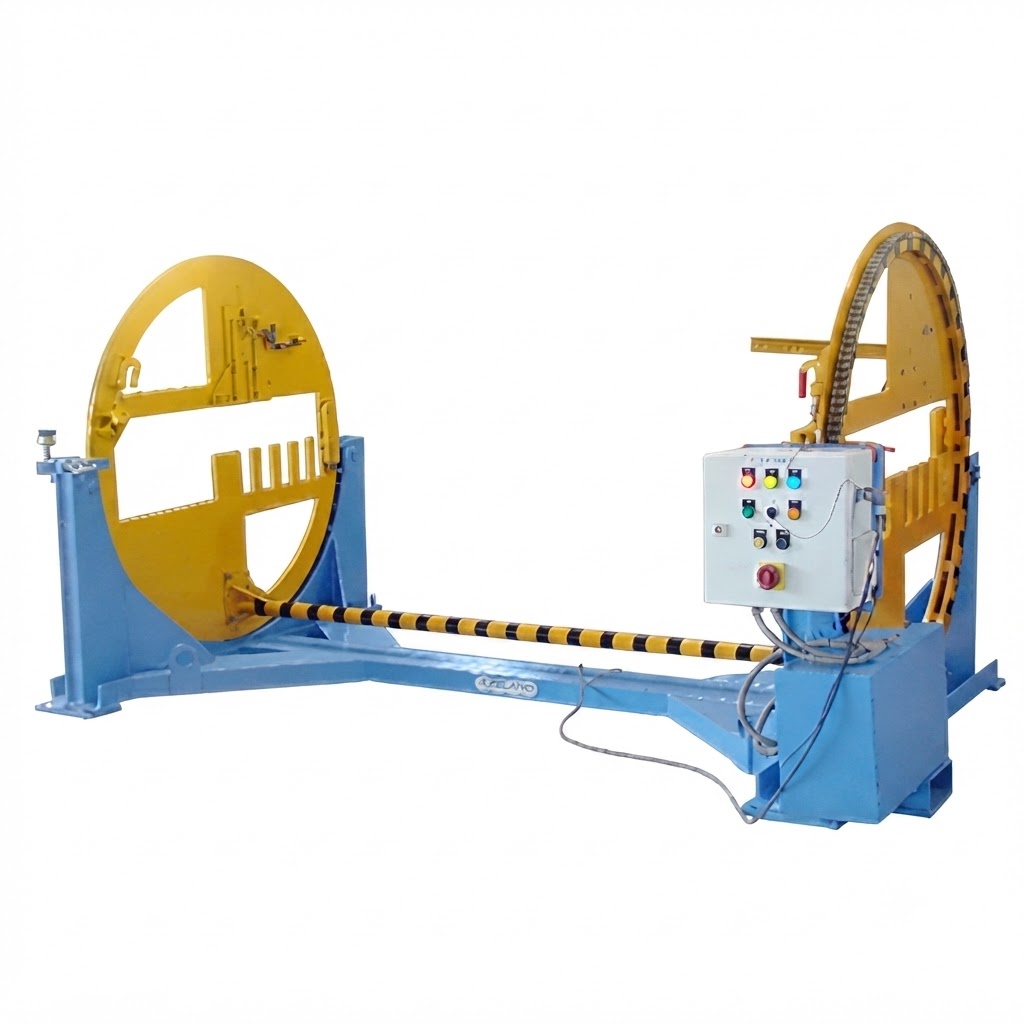


Material handling equipment plays an important role in modern industrial operations by enabling the efficient movement, storage, protection and control of materials. From manufacturing plants and warehouses to logistics centres and distribution facilities, these equipment systems help businesses streamline workflows, improve productivity and reduce manual handling.
With the growing demand for industrial automation and operational efficiency, businesses are increasingly adopting advanced material handling solutions to optimise their processes. Selecting the right equipment can improve workplace safety, reduce material movement time and support smooth industrial operations.
We at Dynamic Engineering and Solutions focus on engineering-driven industrial solutions that support efficient material handling requirements. Understanding the different types, applications and benefits of material handling equipment helps businesses make informed decisions when selecting suitable systems for their operations.
1. What is material handling equipment?
Material handling equipment refers to machinery and systems used to move, lift, transport, store and control materials within industrial facilities, warehouses and manufacturing plants.
2. What are the main types of material handling equipment?
The main types include industrial trucks, conveyors, lifting equipment, storage systems, automated handling systems and bulk material handling equipment.
3. Why is material handling equipment important?
It improves operational efficiency, reduces manual labour, minimises material damage, enhances workplace safety and supports faster material movement.
4. Where is material handling equipment used?
It is widely used in manufacturing, automotive, warehousing, logistics, pharmaceuticals, food processing, steel, cement and construction industries.
5. What is automated material handling equipment?
Automated material handling equipment uses technologies such as robotics, sensors, programmable controls and autonomous vehicles to move and manage materials with reduced manual intervention.
6. How do I choose the right material handling equipment?
Selection depends on material characteristics, load capacity, facility layout, operating environment, handling frequency, safety requirements and budget.
7. What is the difference between manual and automated material handling?
Manual handling relies on human effort or operator-controlled equipment, whereas automated handling uses integrated machinery and control systems to perform material movement tasks.
8. What are the benefits of material handling systems?
Key benefits include improved productivity, reduced operating costs, better space utilisation, increased safety and efficient inventory movement.
9. How can material handling equipment improve warehouse efficiency?
It helps optimise storage, picking, transportation and dispatch operations while reducing unnecessary material movement and handling time.
10. Does material handling equipment require regular maintenance?
Yes. Regular inspection, lubrication, servicing and preventive maintenance help ensure equipment reliability, operational safety and longer service life.
Material Handling Equipment (MHE) refers to the machines, tools and integrated systems used for the movement, lifting, transportation, storage, protection and control of materials throughout industrial and commercial operations.
Common examples include:
These solutions help businesses manage material flow efficiently from the point of receiving raw materials to production, storage and final dispatch.
Material handling equipment can be classified into several categories based on its application and material movement requirements.

Industrial trucks are used to transport materials over short and medium distances within warehouses, factories and industrial facilities.
Common equipment includes:

Conveyors provide continuous or controlled movement of materials between different operational points.
Common types include:

Lifting equipment is designed to lift, lower and position heavy materials safely and efficiently.
Common types include:
Storage equipment helps businesses organise materials and utilise available warehouse space efficiently.
Common types include:

Automated material handling systems use advanced technologies to improve accuracy, consistency and operational efficiency.
Examples include:
A material handling system may include several interconnected components depending on its application.
Material handling generally follows a systematic process to ensure the smooth movement of materials throughout a facility.
This process can be supported by manual, mechanical or automated material handling systems.
Material handling equipment is used across multiple industries to support different operational requirements.
| Industry | Applications |
|---|---|
| Automotive | Component movement and assembly line handling |
| Manufacturing | Raw material and finished goods transportation |
| Warehousing | Storage, picking and dispatch |
| Steel | Heavy material lifting and transportation |
| Cement | Bulk material movement and processing |
| Pharmaceuticals | Controlled material storage and movement |
| Food Processing | Product transportation and packaging |
| Logistics | Loading, unloading and sorting |
| Construction | Movement of heavy materials |
| E-commerce | Order fulfilment and warehouse automation |
Implementing appropriate material handling equipment provides several operational and commercial advantages.
| Parameter | Manual Handling | Automated Handling |
|---|---|---|
| Operation | Human-operated | Machine-controlled |
| Labour requirement | Higher | Lower for repetitive tasks |
| Initial investment | Generally lower | Generally higher |
| Productivity | Depends on manpower | Can support consistent throughput |
| Accuracy | Operator-dependent | Programmable and repeatable |
| Flexibility | Often high | Depends on system design |
| Maintenance | Equipment-dependent | Requires technical servicing |
| Applications | Small-scale operations | High-volume operations |
Both approaches have their advantages. The appropriate solution depends on operational requirements, investment capacity, material characteristics and expected throughput.
Selecting suitable material handling equipment is important for achieving operational efficiency, safety and cost-effectiveness. Consider the following factors before making a selection:
Choosing equipment based on these factors helps businesses develop an efficient material handling system suited to their operational needs.
Safety and regular maintenance are essential for the reliable operation of material handling equipment.
| Maintenance activity | Recommended practice |
|---|---|
| Visual inspection | Check for visible damage and wear |
| Lubrication | Lubricate moving parts as specified |
| Electrical inspection | Check wiring, connections and controls |
| Mechanical inspection | Examine gears, bearings and drive systems |
| Brake inspection | Verify braking performance |
| Safety device inspection | Check limit switches and emergency stops |
| Structural inspection | Examine frames, supports and connections |
| Performance testing | Monitor equipment operating condition |
Maintenance frequency should follow manufacturer recommendations, operating conditions and applicable inspection requirements.
Material handling equipment should be designed, manufactured, installed and operated according to applicable technical and safety requirements. Some relevant standards and frameworks include:
The applicable standards depend on the equipment category, design, application and jurisdiction. Businesses should verify the latest editions and relevant statutory requirements before specifying equipment.
The material handling industry continues to evolve with new technologies and automation solutions. Key emerging trends include:
These developments are helping industries move towards more connected, efficient and technology-driven material handling operations.
Selecting the right engineering partner is important when planning material handling equipment and industrial solutions. Dynamic Engineering and Solutions is an engineering-focused partner for businesses seeking suitable material handling solutions for their operational requirements.
When evaluating an engineering and solutions provider, businesses should consider:
By focusing on suitable equipment selection and application-specific engineering, Dynamic Engineering and Solutions aims to support businesses in improving their material handling operations.
Material handling equipment is an essential part of modern industrial operations, supporting the efficient movement, lifting, storage and management of materials. From forklifts and conveyors to cranes, hoists and automated handling systems, different equipment categories serve specific operational requirements across industries.
Selecting the right equipment helps businesses improve productivity, enhance workplace safety, optimise material flow and reduce operational inefficiencies. As industrial automation and smart technologies continue to develop, material handling solutions will play an increasingly important role in modern manufacturing, warehousing and logistics.
Dynamic Engineering and Solutions aims to support industrial businesses with engineering-focused material handling solutions that address their operational requirements.
Looking to improve your industrial material handling operations? Connect with Dynamic Engineering and Solutions to discuss your requirements and explore suitable engineering solutions.